中文
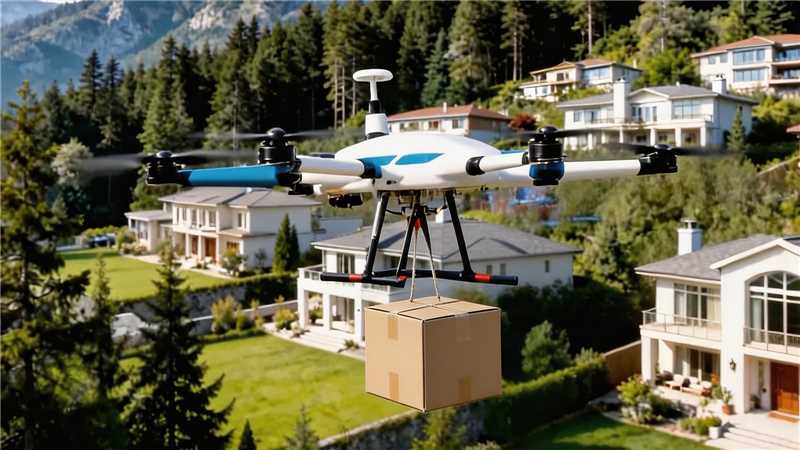
According to McKinsey, the global electric vertical take-off and landing (eVTOL) industry is projected to reach an annual revenue of $3 billion by 2030. Morgan Stanley estimates that the low-altitude economy market related to drones and electric flying vehicles could reach a potential scale of $9 trillion by 2050. Data from the Civil Aviation Administration of China shows that China’s low-altitude economy reached approximately 1.5 trillion yuan in 2025 and is expected to maintain a trillion-yuan level and accelerate growth in 2026. Meanwhile, the implementation of the Interim Regulations on the Flight Management of Unmanned Aircraft has laid an institutional foundation for the standardized operation and large-scale application of low-altitude flights.
Driven by both policies and market demand, low-altitude transport capacity is gradually becoming an important supplement to the modern logistics system.
Against this backdrop, Honeycomb Aerospace joins hands with Dmall Inc. to build an integrated low-altitude logistics solution centered on drone systems and low-altitude operation management platforms. Through efficient collaboration between aerial transport capacity and digital dispatching systems, the solution significantly improves logistics delivery efficiency.
Build a Low-Altitude Logistics Application System
Focusing on the practical needs of logistics and supply chains, Honeycomb Aerospace deeply integrates low-altitude delivery capabilities into Dmall Inc.'s business system, exploring and forming two typical low-altitude logistics application models.
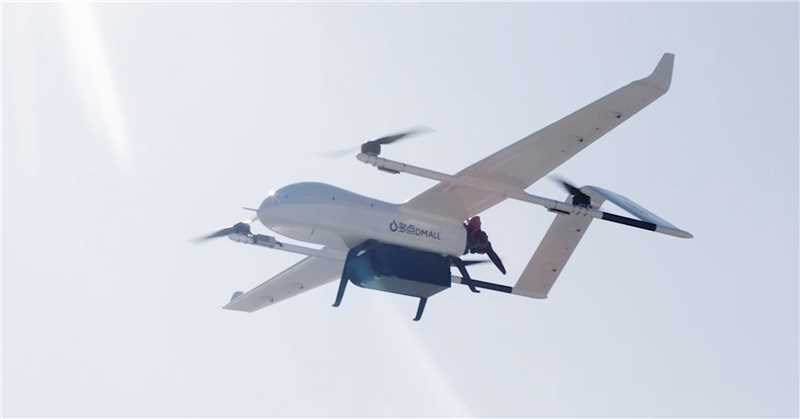
1. Warehouse-to-Warehouse: Building a Stable Aerial Supply Network
In regions with limited transportation access such as mountainous areas, islands and plateaus, traditional logistics faces problems including low delivery efficiency and long transit cycles, and may even result in supply chain disruptions.
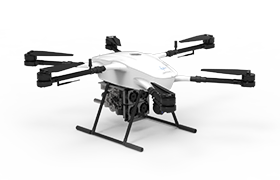
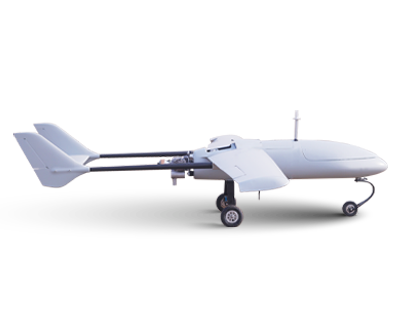
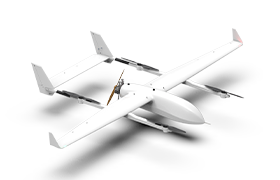
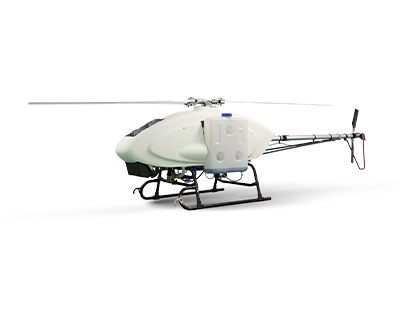
To address these challenges, Honeycomb Aerospace deploys drones with large payload capacity, multi‑size external cargo compartments and vertical takeoff and landing (VTOL) capabilities to build stable and efficient low‑altitude transportation networks, providing sustainable aerial supply solutions for regions with complex geographical environments.
In actual operation, after warehouse staff complete cargo loading, the aircraft automatically takes off and performs transport missions along pre‑set routes. Upon arrival at the destination, the drone unloads the goods and then returns automatically for the next mission. The entire process enables automated operation and remote management.
The value of this model lies not in replacing the transport capacity of traditional long‑haul trucks, but in providing a stable and monitorable aerial route for the supply chain in scenarios where road conditions are unpredictable or transit times are long. When ground transportation is restricted, low‑altitude routes serve as a critical supplement, significantly enhancing the reliability of the logistics system.
2. Last-Mile Delivery: Enhancing In-Store Fulfillment Capacity
In urban retail delivery, certain orders – such as pharmaceuticals and fresh produce – require extremely high delivery efficiency. Meanwhile, ground delivery is often limited in scenic areas, premium communities, or regions with complex terrain.
Honeycomb Aerospace's low-altitude delivery model creates new capabilities for in-store fulfillment. After a customer places an order through the merchant system, the system automatically identifies the order type and delivery address. Once the store has packed and mounted the goods, the drone flies along a planned route to the designated delivery spot, completes automated delivery, and returns. Customers simply pick up their items at the designated location to finalize order fulfillment.
From order placement to automated drone delivery and return, the entire process operates in parallel with the rider network, forming an air-ground collaborative logistics system rather than a replacement. For specialized needs and within defined geo-fenced areas, low-altitude transport provides reliable service coverage that ground delivery cannot easily match.
From Aircraft to System: Platform Capability as the Core of Low-Altitude Logistics
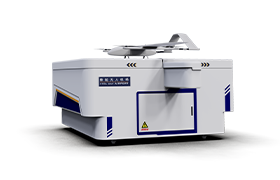
For low-altitude logistics to achieve large-scale application, the key lies not only in the aircraft themselves but more importantly in the support of systematic capabilities. Honeycomb Aerospace has deeply rooted itself in the unmanned systems sector, building a comprehensive technology ecosystem covering multi-model drone platforms, intelligent unmanned airports, and a low-altitude operation management platform. Among these, the "Fengxing" UAV Operation Management Platform offers functionalities including mission management, route planning, remote monitoring, and multi-drone collaborative dispatching.
Through this systematic platform capability, enterprises can deploy drone capacity with no fundamental difference from traditional logistics resources – simply initiate a task in the system, and the platform will automatically handle dispatching and execution. This "transport capacity-as-a-service" model enables low-altitude transport to be truly integrated into enterprises' daily operational processes.
From Pilot to Scale: Low-Altitude Logistics
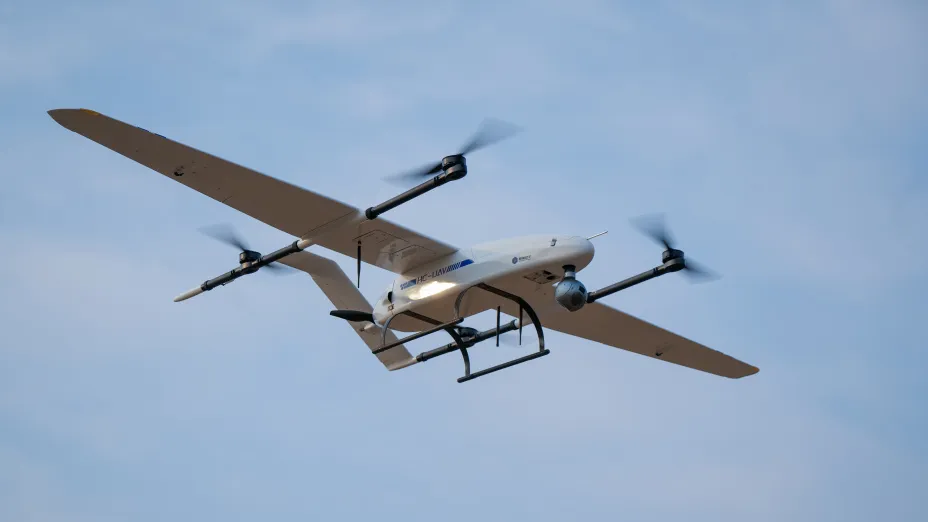
In recent years, Honeycomb Aerospace has actively advanced the application of low-altitude technologies in diverse industry scenarios, accumulating extensive practical experience in border and coastal defense inspection, emergency rescue, energy inspection, comprehensive inspection and other fields. On this basis, the company has continuously expanded the application of low-altitude delivery capacity in the logistics and supply chain sector. Through the deep integration of unmanned aerial vehicle systems and digital platforms, it provides enterprises with more efficient and stable supplementary logistics capabilities.
With the continuous improvement of low-altitude infrastructure, low-altitude delivery capacity is gradually becoming an important part of the modern logistics system. In the future, Honeycomb Aerospace will continue to drive the in-depth integration of UAV technology and industrial scenarios, making low-altitude a new channel for the supply chain, and injecting new momentum into the development of smart logistics and the low-altitude economy.

Scan the QR to Follow us on Wechat